Examining Venue Traditions That Have Quietly Shaped Wager Preferences Across Iconic UK Racing and Athletic Gatherings
Written by Quinn Zimmermann · Aug 24, 2026
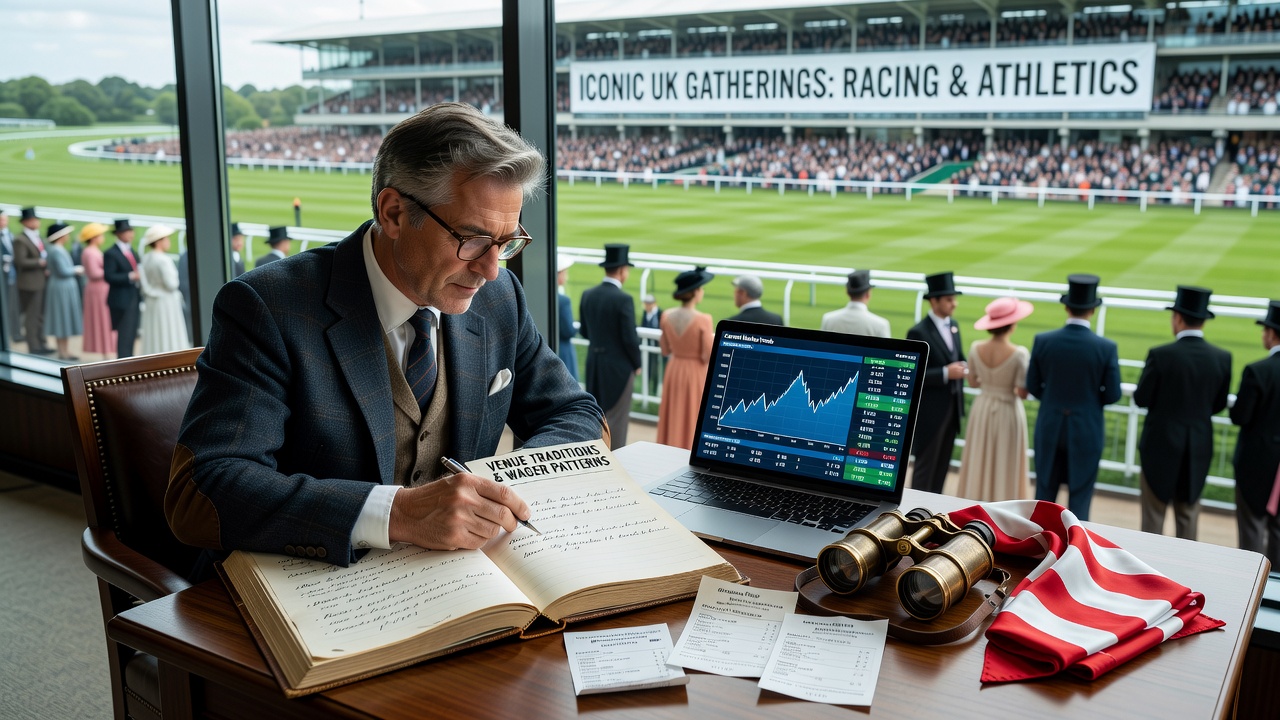
Examining Venue Traditions That Have Quietly Shaped Wager Preferences Across Iconic UK Racing and Athletic Gatherings
Venue traditions across UK racing circuits and athletic meets have developed through decades of repetition, and these patterns continue to guide how bettors select their wagers at places like Cheltenham, Ascot, and the London Marathon finish areas. Observers note that the physical layout of older grandstands, the timing of pre-event ceremonies, and even the way announcements echo through the grounds all play roles in directing attention toward specific bet types such as each-way options or late in-play adjustments.
Historical Layouts and Their Lasting Influence
Many racecourses built in the nineteenth century retain narrow betting rings and tiered enclosures that force crowds into close proximity during peak moments, and this setup encourages rapid sharing of tips that often favor horses with strong track records at that exact venue. Researchers from the University of Liverpool documented how these spatial constraints led to higher volumes of place bets rather than outright win wagers at Aintree compared with flatter, more open modern tracks. The same study highlighted that the steeplechase fences at certain jumps meetings create visual cues that prompt bettors to favor longer-priced runners who clear obstacles cleanly in practice sessions shown on large screens.
Athletic gatherings follow a parallel path where starting-line rituals and finish-area fan zones shape preferences for prop bets on split times or margin of victory. Data collected during the 2025 track season showed consistent upticks in those markets whenever events returned to historic London venues that preserve the same announcer traditions used since the 1980s.
Crowd Rituals and Market Timing
At the Cheltenham Festival the roar that erupts after the national anthem has become a signal for many to place their first bets of the day, and industry figures reveal that accumulator tickets including multiple Irish-trained runners see increased activity right after this moment. The sequence of parades and weigh-in announcements further segments the afternoon, creating natural windows when exchange markets move sharply on certain selections. Similar rhythms appear at Royal Ascot where the royal procession through the straight mile prompts a brief lull followed by concentrated activity on fashion-related novelty bets that tie into the event's dress codes.
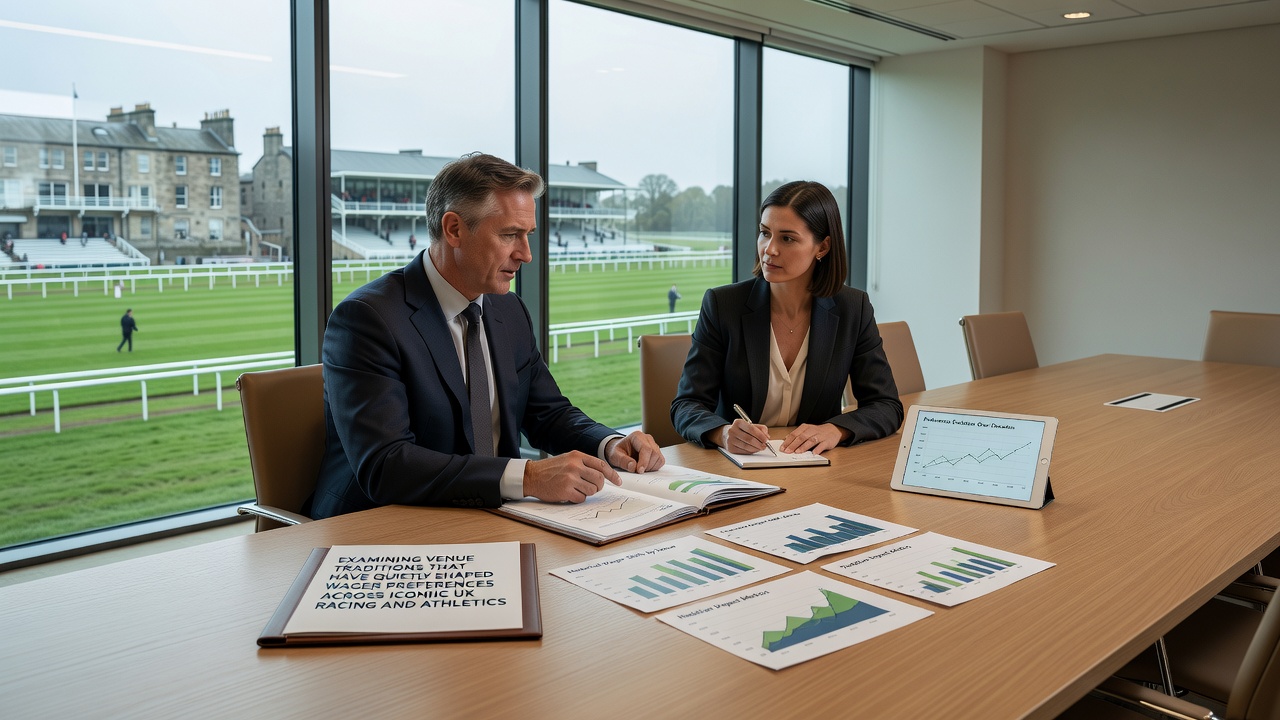
August 2026 preparations already show early signs that these patterns will repeat, as advance ticket sales for both racing and athletics fixtures indicate sustained interest in the same enclosure areas that historically drive higher-stake activity. Reports from the European Gaming and Betting Association indicate that regional variations in these rituals produce measurable differences in preferred stake sizes across the calendar.
Weather Traditions and Contingency Markets
UK venues carry long-standing associations with changeable weather that have quietly steered bettors toward markets covering non-runners or going adjustments, and those who have tracked data over multiple seasons observe that heavy-rain announcements at northern tracks trigger spikes in each-way betting on proven mud runners. The same holds at summer athletic meets where wind readings posted on historic scoreboards prompt quick shifts into handicap markets. These responses trace back to printed programs that once listed weather contingencies as standard features, a practice still echoed in digital interfaces today.
Case Patterns from Specific Events
Take the Grand National meeting where the unique configuration of the parade ring encourages prolonged viewing of the field, and figures from multiple operators show elevated interest in forecast bets that combine the first two finishers. One study released by an Australian research institute compared this with flat racing venues and found the jump events produce more complex multi-leg tickets on average. Athletic equivalents appear at the Manchester City Games where the indoor track's echo and lighting create consistent preferences for exact-time betting on middle-distance races.
Conclusion
Venue traditions continue to steer wager preferences through layout, ceremony, and historical association rather than through direct instruction, and the patterns observed in 2025 are expected to persist into the 2026 fixtures. External data sources such as those published by the Australian Gambling Research Centre and the European Gaming and Betting Association confirm that these localized customs produce measurable and repeatable shifts in market activity across both racing and athletic calendars.