Festival Winner Legacies: Shaping Incentives in Football, Tennis, and Golf Betting Arenas
Written by Sam Otto · Nov 17, 2026
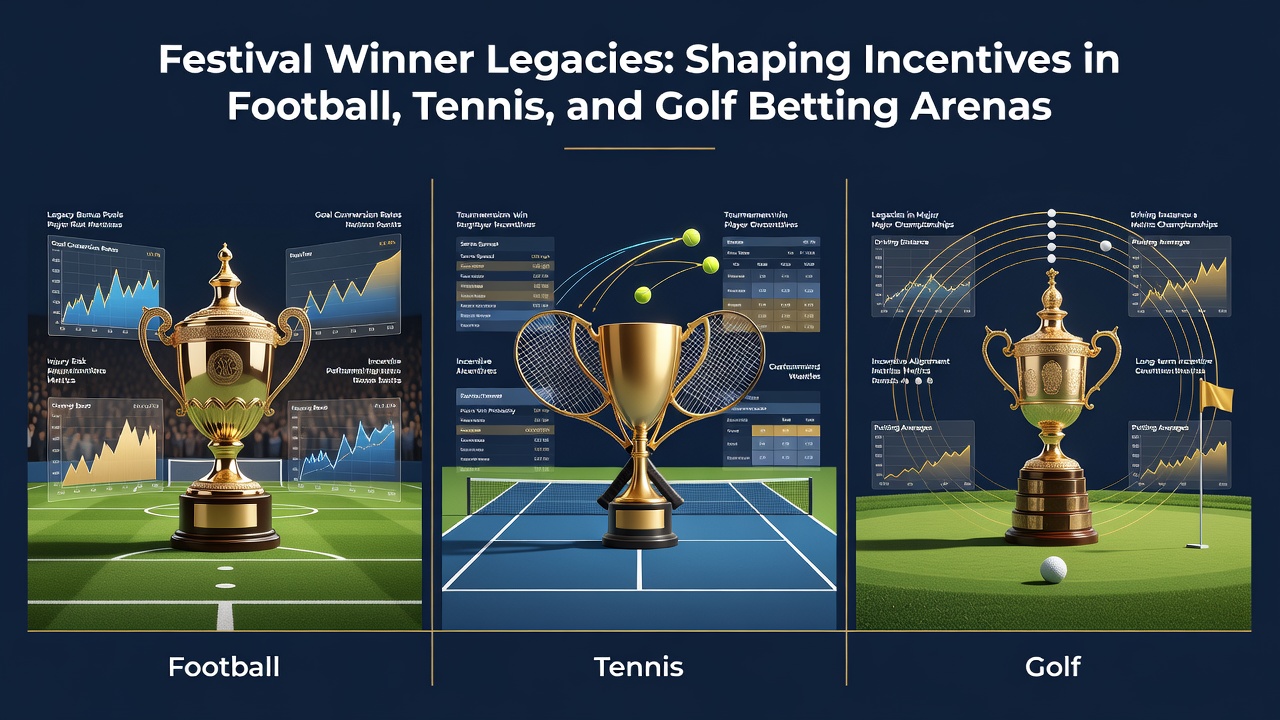
Festival Winner Legacies: Shaping Incentives in Football, Tennis, and Golf Betting Arenas
Patterns in past festival winner outcomes continue to guide how betting operators structure incentives across football, tennis and golf markets, with data from major events feeding directly into promotional offers and odds adjustments that appear each season. Observers note that archives of tournament results help firms identify recurring success rates which then shape free bet allocations and enhanced odds packages released ahead of key fixtures.
Football Markets and Legacy Data Influence
Records from high-profile festivals such as the European Championships and domestic league cups show consistent correlations between certain team performances and subsequent betting volumes, prompting operators to refine incentive structures accordingly. Research from the European Gaming and Betting Association indicates that historical goal margins and knockout stage results often determine the size of sign-up bonuses tied to live match wagers, while patterns in penalty shoot-out frequencies guide the placement of cash-out promotions during group stages.
Operators track these legacies through internal datasets that compare winner profiles across multiple decades, allowing them to adjust stake multipliers for accumulator bets that feature teams with strong festival pedigrees. In November 2026, updated datasets covering recent international festivals are expected to feed into revised promotional calendars that link past performance metrics to new customer reward tiers.
Tennis Tournament Legacies and Promotional Adjustments
Grand Slam archives reveal how surface-specific winner streaks influence the design of tennis betting incentives, particularly for matches played on grass or clay where historical dominance translates into targeted free bet offers. Studies compiled by the International Tennis Federation demonstrate that players with multiple festival titles attract higher volumes of in-play wagers, which in turn leads firms to calibrate risk-free bet thresholds based on those same legacy statistics.

Those who analyze ranking movements following major events find that legacy data helps determine the timing of boosted odds promotions, especially around quarter-final and semi-final stages where repeat finalists appear most frequently. Data from academic reviews at the University of Sydney further illustrates how surface transition periods between festivals affect the allocation of parlay incentives that combine tennis outcomes with related football or golf markets.
Golf Event Histories and Market Incentive Design
Major championship records, including those from the Masters and Open Championship festivals, supply granular statistics on round-by-round scoring that operators use to build golf-specific betting incentives such as hole-in-one bonuses and leaderboard accumulator enhancements. Figures released by the PGA Tour research division show that players with repeated top-five finishes at festival venues receive disproportionate attention in promotional campaigns, prompting adjustments to minimum stake requirements for enhanced payout offers.
Analysts who examine weather-adjusted historical scores note that these legacies guide the creation of live betting incentives during final rounds, where past performance under similar conditions dictates the structure of cash-out multipliers. Cross-sport packages that bundle golf festival data with football and tennis results have grown in prevalence, drawing on shared winner patterns to offer combined free bet credits that activate only when multiple event criteria are met.
Cross-Sport Applications of Festival Archives
Integrated datasets now allow operators to link winner legacies across the three sports, creating hybrid promotions that reward customers for engaging with football, tennis and golf markets simultaneously based on shared historical benchmarks. Reports from the Canadian Centre on Substance Use and Addiction highlight how such cross-referenced archives support responsible gambling messaging that accompanies incentive offers, ensuring that promotional terms reference verified performance data rather than isolated event outcomes.
Those reviewing incentive trends observe that festival winner patterns also inform the frequency of loyalty point multipliers awarded after successful wagers on repeat title holders, with allocation rules updated seasonally to reflect the latest archival insights. This approach maintains consistency across product lines while responding to shifts in betting volumes tied to specific legacy profiles.
Conclusion
Archival winner data from football, tennis and golf festivals continues to underpin the architecture of betting incentives, with operators relying on verified performance histories to calibrate promotions, odds enhancements and reward structures. Ongoing updates to these datasets ensure that incentive frameworks remain aligned with documented patterns rather than speculative assumptions, supporting transparent market practices across all three arenas.