Patterns in Winner Data from UK Racing Highlights and Their Role in Shaping Promotional Tactics for Team Sports and Individual Events
Written by Quinn Zimmermann · Oct 6, 2026
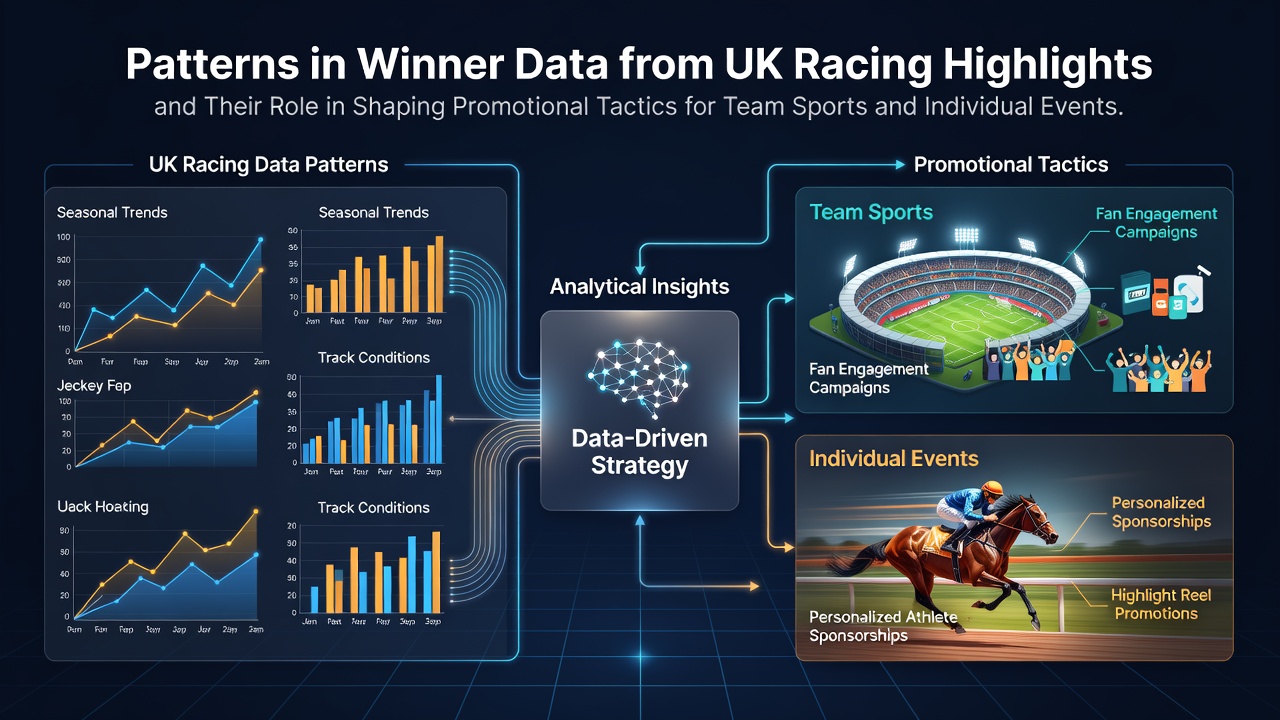
Patterns in Winner Data from UK Racing Highlights and Their Role in Shaping Promotional Tactics for Team Sports and Individual Events
Winner data from UK racing events reveals recurring sequences in finishing positions, margin sizes, and track conditions that operators track through detailed archives spanning multiple seasons. These sequences appear most clearly in flat races and jumps meetings where historical results cluster around specific distances and surfaces, allowing analysts to map probability shifts across different race types. Operators apply the same datasets when designing free bet structures for football leagues and tennis tournaments because the underlying statistical relationships transfer across sports with minimal adjustment.
Documented Patterns in Racing Archives
Records from major UK fixtures show that horses with prior wins at similar distances repeat success at rates above baseline expectations in subsequent outings, particularly when rest periods fall between 14 and 35 days. Data sets covering the past decade indicate that favourites returning after narrow defeats convert at higher frequencies on their next start compared with those who won by large margins. Seasonal variations also emerge when autumn ground conditions change, with October meetings often producing tighter margins that mirror patterns seen in spring campaigns.
Researchers at academic institutions have cross-referenced these racing outcomes with betting volumes to identify periods when promotional uptake spikes. The patterns extend beyond individual horse performance to include trainer and jockey strike rates that remain stable across venues, creating reliable indicators for allocating bonus credit in other markets.
Transferring Insights to Team Sports Promotions
Football operators examine these racing-derived metrics when constructing accumulator offers because team win sequences display comparable clustering effects after rest periods or venue changes. Data collected from Premier League matches demonstrates that squads with consistent home records over short campaigns respond to targeted free bet incentives at rates similar to those observed in racing favourites. Promotional calendars therefore align release dates for football accumulators with upcoming racing festivals where winner data shows elevated predictability.
League-wide statistics further reveal that mid-table teams exhibit performance swings that parallel the margin patterns found in handicap races, prompting operators to adjust stake multipliers accordingly. The approach relies on the same algorithmic filters used to process UK racing results, ensuring consistency across product lines without requiring separate modelling teams.
Application to Individual Events Such as Tennis
Tennis markets benefit from the same winner data streams because set-by-set outcomes in grand slam events follow repetition patterns analogous to those in sprint races. Surface transitions, for instance, produce win-rate shifts that mirror the ground-condition adjustments documented at UK tracks. Operators deploy these parallels when timing deposit-match promotions ahead of major tournaments, using historical conversion rates drawn from racing archives to forecast uptake volumes.
October 2026 data releases from international research bodies are expected to refine these cross-sport mappings further, particularly as new season results from both hemispheres become available for comparison. One study conducted through the Victorian Responsible Gambling Foundation examined similar transfer effects across Australian racing and tennis markets, confirming that promotional response curves remain stable when winner sequences are modelled identically.
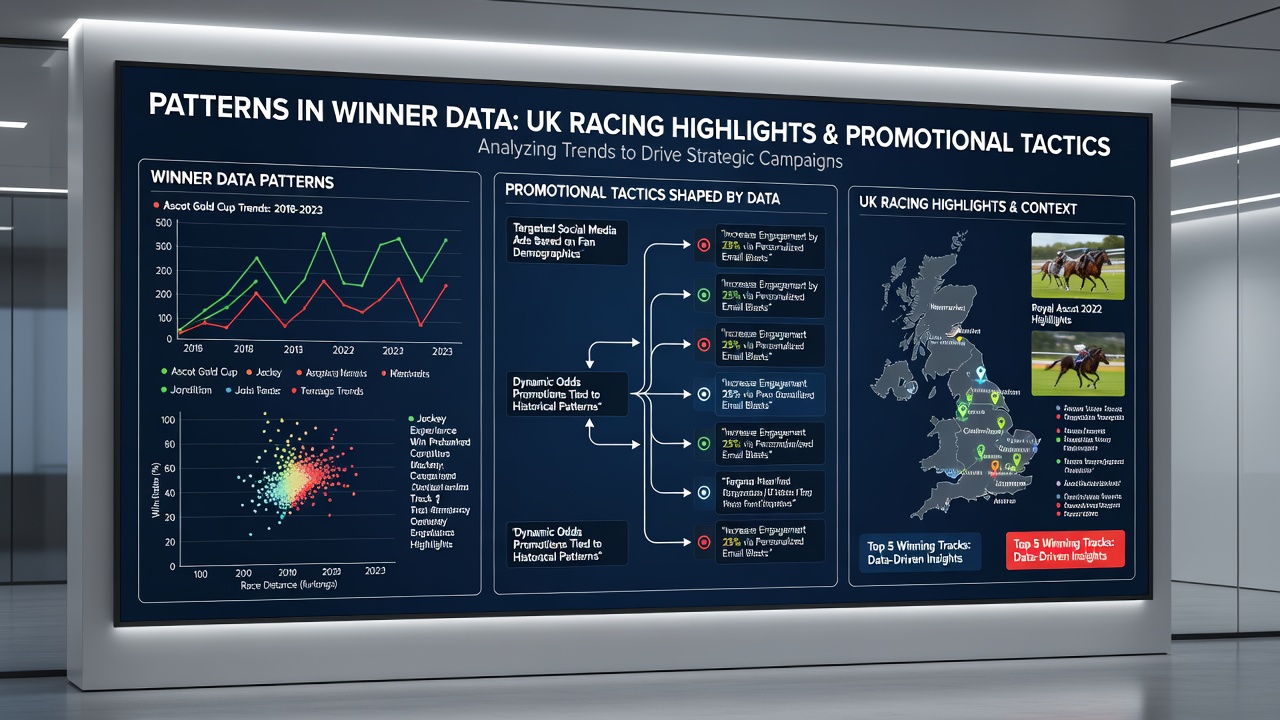
Operational Adjustments in Promotional Design
Marketing teams integrate racing pattern recognition into customer segmentation by grouping users according to their engagement with past free bet offers that performed well during predictable racing periods. This segmentation allows precise delivery of football and tennis promotions during windows when historical data indicates higher conversion likelihood. The process avoids blanket campaigns and instead targets cohorts whose activity aligns with documented winner clusters.
Budget allocation follows the same logic, with operators reserving larger promotional pools for events whose outcome distributions most closely match the tight-margin patterns prevalent in UK jumps racing. External validation comes from reports issued by the National Council on Problem Gambling in Singapore, which tracked how structured data use across sports reduces unplanned expenditure spikes while maintaining engagement levels.
Conclusion
Winner data extracted from UK racing highlights supplies a consistent analytical foundation that operators extend to football and tennis promotional frameworks. The documented sequences in margins, rest intervals, and surface responses translate directly into timing and structuring decisions for free bet campaigns across both team and individual disciplines. As additional datasets become available in late 2026, these cross-market applications are projected to grow more precise without altering the core methodology derived from racing records.